
 Save
Save
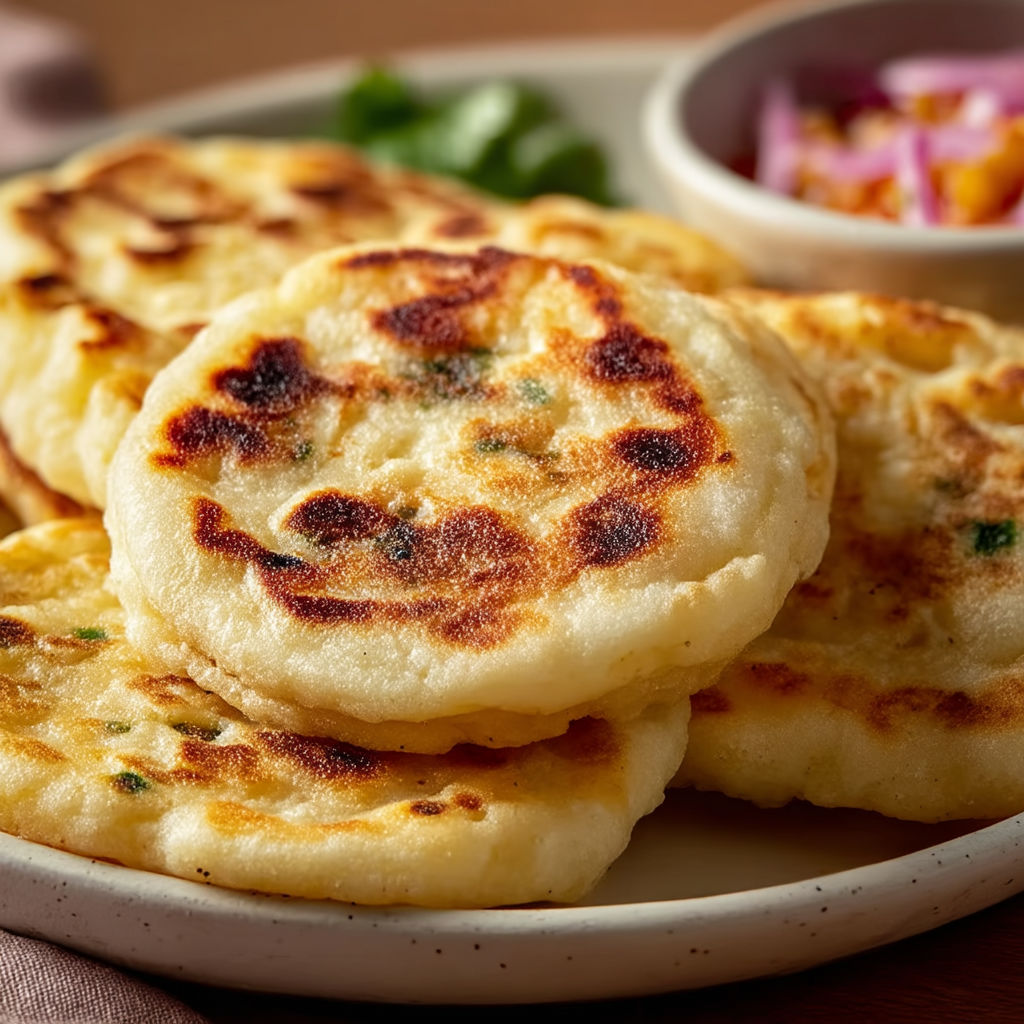
These soft masa cheese pupusas capture the comforting flavors of Salvadoran street food using simple ingredients. Tender masa dough made from masa harina, butter, and hot water envelopes creamy cheese filling, and when cooked on a hot griddle, the exterior crisps up perfectly while the inside stays meltingly soft. These satisfyingly handheld treats are ideal for a cozy meal or snack that invites sharing and enjoying fresh from the pan.
I first learned to make pupusas from a Salvadoran friend, and the magic was in how everyone gathered eagerly around the kitchen waiting for batch after batch. It quickly became a family favorite that turns any evening into a warm and lively occasion.
Ingredients
- Masa harina: this finely ground corn flour is key to achieving the authentic soft yet sturdy dough look for pupusas use one labeled for tortillas or pupusas for best results
- Chicken bouillon: optional but adds a layer of savory depth choose a high-quality or low-sodium variety if you prefer less salt
- Salt: enhances the flavor of the masa so it is bright and lively not flat kosher salt or fine sea salt work best for even mixing
- Hot water: nearly boiling helps masa flour hydrate properly, resulting in a smooth dough
- Butter or lard: enriches the dough's tenderness and flavor butter makes it silkier while lard adds that traditional edge
- Oil for cooking: a neutral oil like canola keeps the corn flavor front and center while ensuring a crispy crust
- Shredded cheese: provides the gooey, melty filling mozzarella and Oaxaca cheese are great choices for stretch and melt, and fresh shredding is better than pre-packaged
- Refried beans: optional classic creamy partner to cheese fillings homemade is best for flavor and texture
Instructions
- Make the Masa Dough:
- Combine masa harina, chicken bouillon, and salt in a large bowl. Slowly pour in hot water while stirring constantly until the dough forms a soft, pliable texture resembling play dough. Incorporate the butter and knead the dough gently for two to three minutes until everything is fully combined and elastic. If the dough feels dry, add small amounts of water to reach the right consistency.
- Form the Pupusa Balls:
- Divide the dough into twelve equal portions about the size of golf balls. Keep the dough balls covered with a damp towel to retain moisture which makes shaping easier and prevents cracking.
- Stuff and Shape:
- Take one dough ball and flatten it in your hand into a thick disk about half an inch thick. Add a spoonful of shredded cheese or refried beans in the center. Carefully fold the sides of the dough over the filling to seal it, then gently flatten again into a round shape roughly three inches wide. Repeat this process with each ball of dough.
- Cook the Pupusas:
- Heat a griddle or skillet over medium heat and add a thin layer of oil heating it until it shimmers. Place the pupusas on the pan and cook for about three minutes on each side pressing gently so they brown in spots and the filling melts inside. Transfer cooked pupusas to a plate covered with a clean towel to keep warm while cooking the remaining pieces.
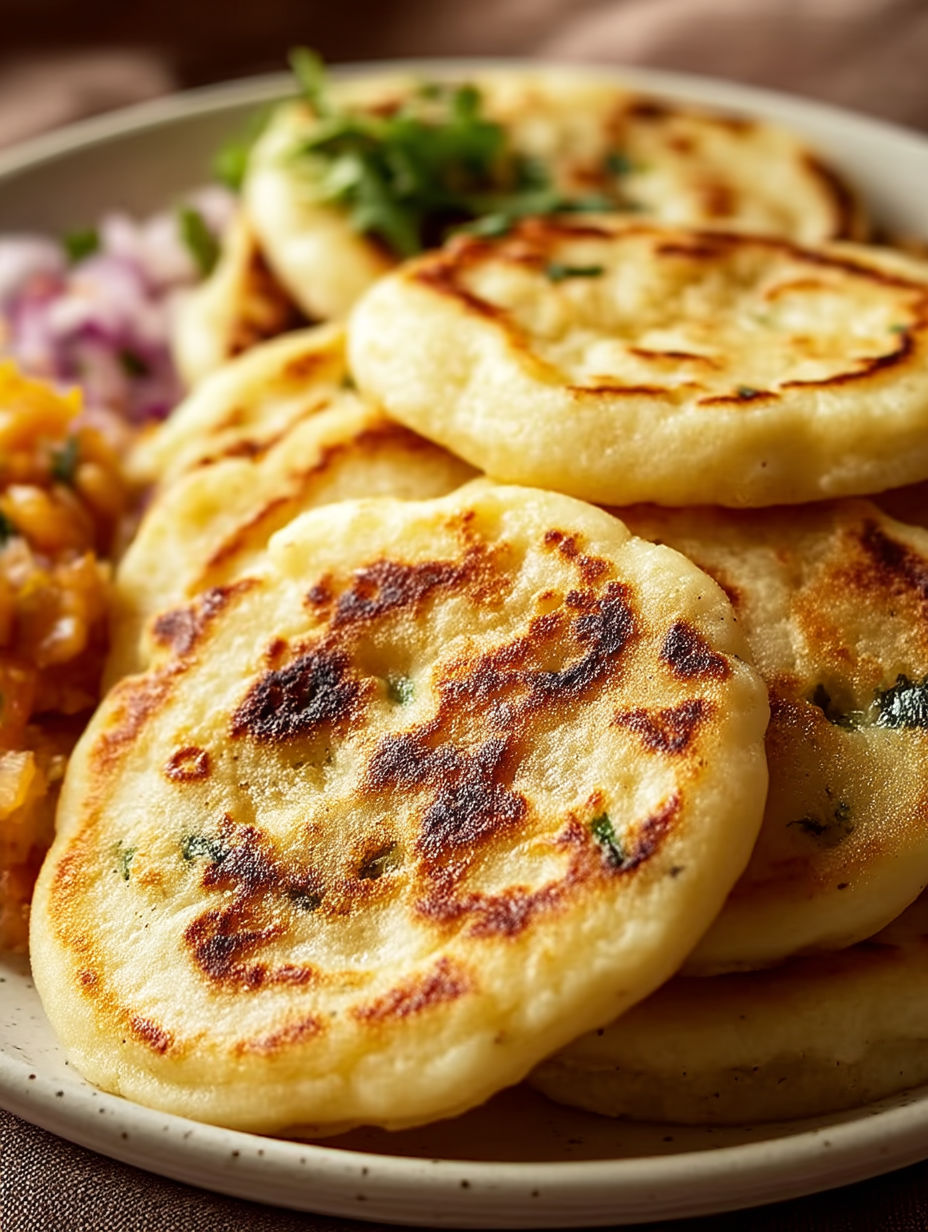
The first time I bit into my homemade pupusas, the chewy corn crust giving way to molten cheese captured everything I love about comfort food. Making them on slow weekend afternoons with kids has created lasting memories where the kitchen buzzes with laughter and delicious smells.
Storage Tips
Allow pupusas to cool fully at room temperature before storing to avoid sogginess from steam. Wrap them tightly in foil or place in an airtight container inside the refrigerator for up to three days. For longer storage, freeze pupusas by placing them spaced out on a baking sheet until firm, then transferring to a freezer bag. Reheat straight from the fridge or freezer in a dry hot skillet to revive the crispy texture.
Ingredient Substitutions
If masa harina is not available, finely ground cornmeal can be used with additional hot water keeping in mind this will change the texture. For vegan or dairy free versions, omit cheese and fill with seasoned beans, cooked potatoes, or sautéed vegetables. Butter or lard adds richness traditionally but high quality plant oils can also provide good flavor and texture.
Serving Suggestions
Pupusas shine alongside curtido, a tangy cabbage and carrot slaw in vinegar that cuts through richness. Fresh tomato salsa or sour cream make lovely accompaniments. Serve as a main dish with black beans and salad or as hand-held party food perfect for sharing.
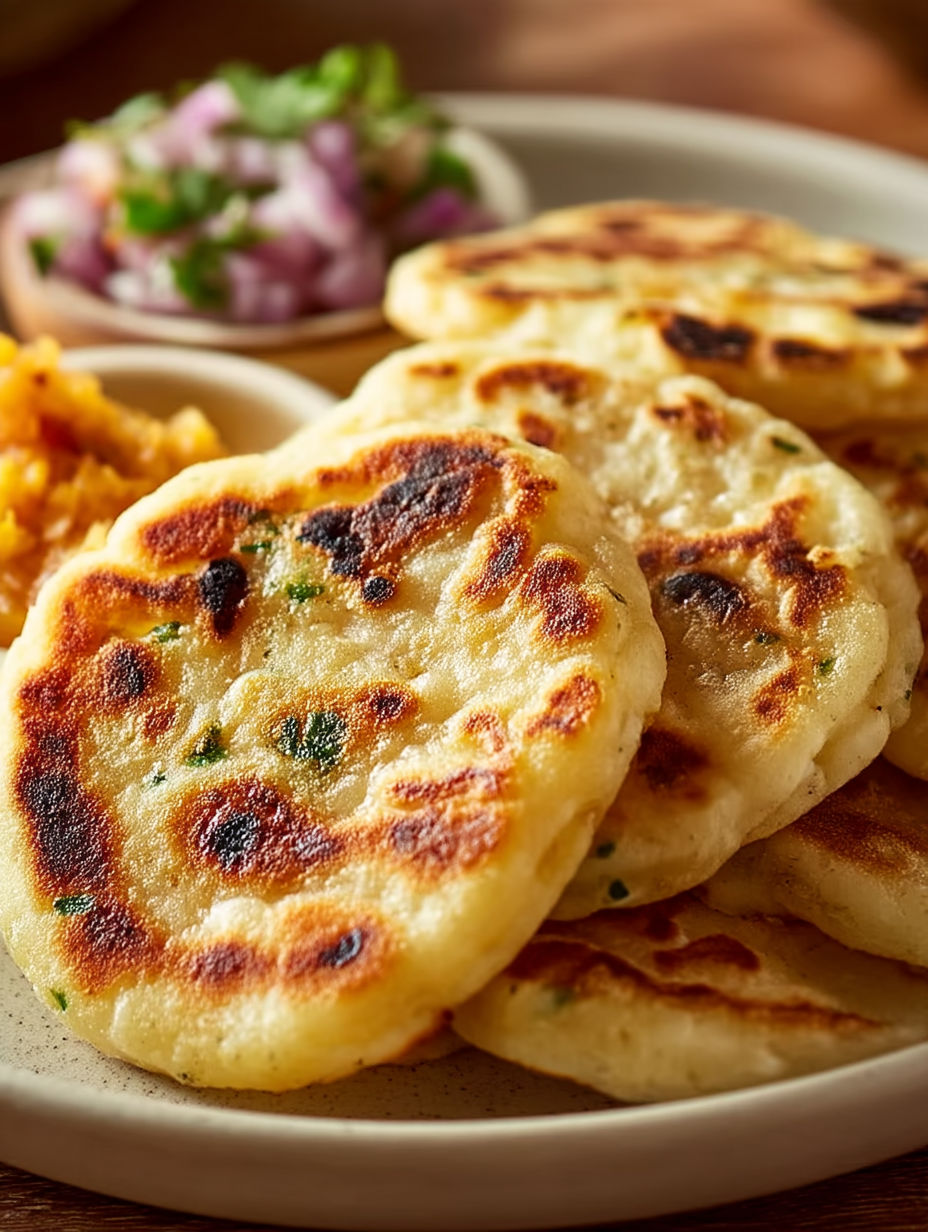
Once you get the hang of shaping and cooking pupusas, you may find yourself planning whole afternoons around sharing these warm bites with friends and family. Their mix of creamy filling and crispy masa always brings smiles and second helpings.
Common Questions About Recipes
- → What texture should the masa dough have?
The dough should be soft and moldable like play-dough, smooth and elastic but not sticky, making it easy to shape.
- → Can fillings other than cheese and beans be used?
Yes, cooked pork, chicken, or seasoned vegetables add variety and savory depth to the masa cakes.
- → How do I prevent the masa cakes from cracking during cooking?
Keep the dough moist by covering unused portions with a damp cloth and shape gently to avoid cracks.
- → What’s the best method to reheat these masa cakes?
Briefly warm them on a hot skillet or griddle to restore crisp edges and a warm, melty center.
- → Is butter a good alternative to lard for the dough?
Butter adds a rich softness, while lard gives a more traditional flavor; both work well in the dough.